Hamilton School At Wheeler

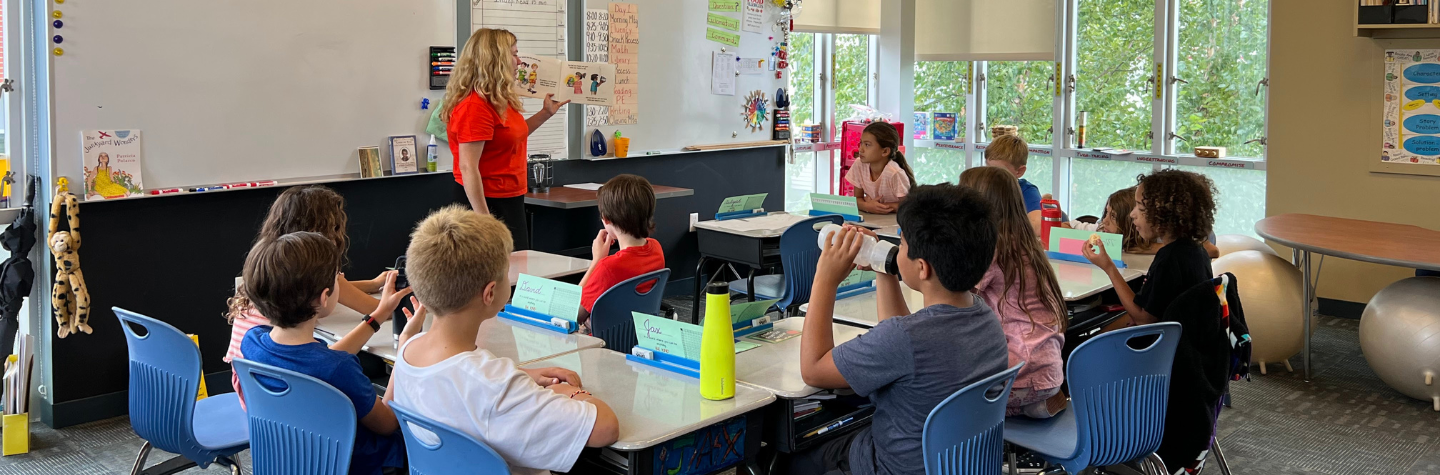
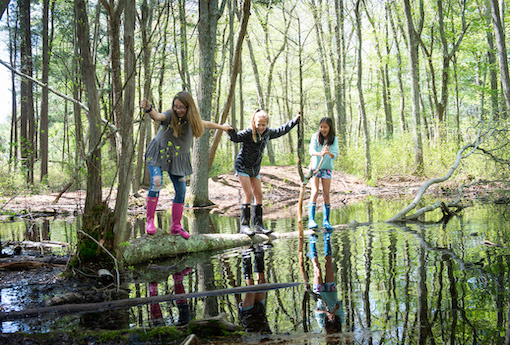
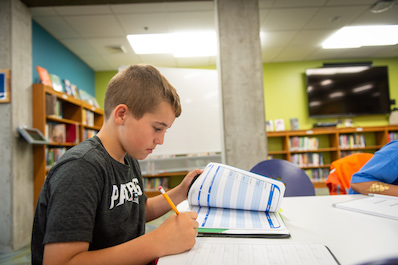
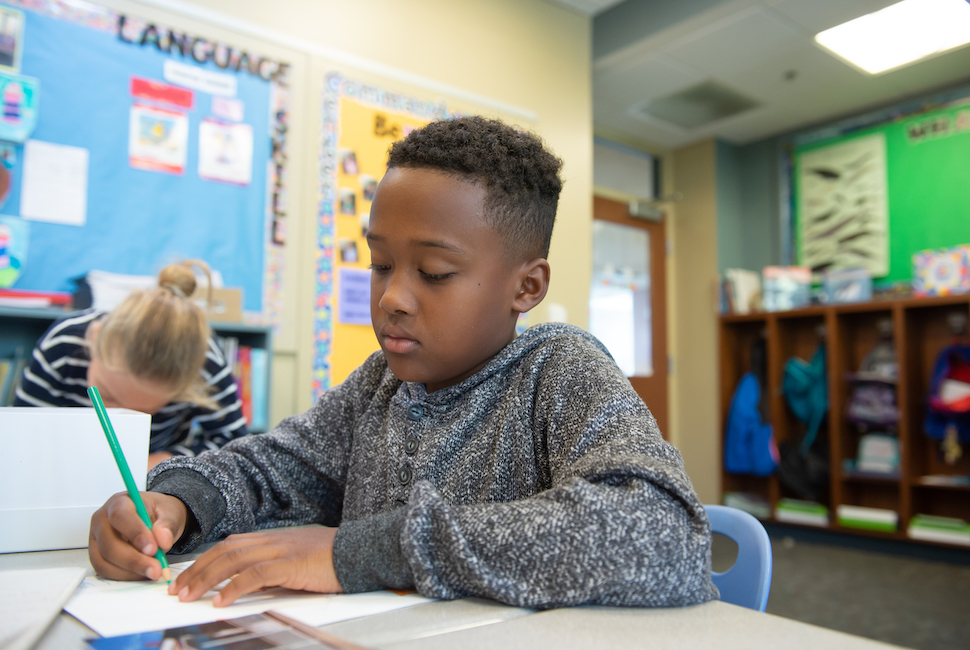
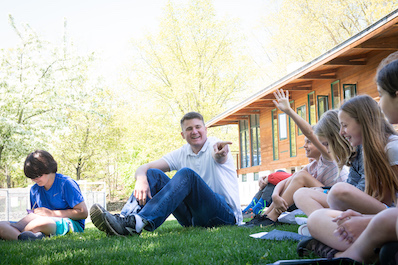
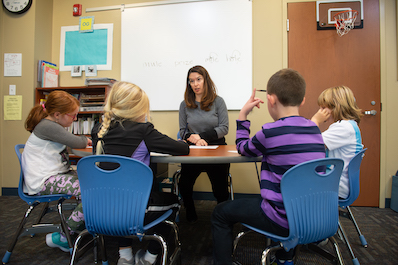
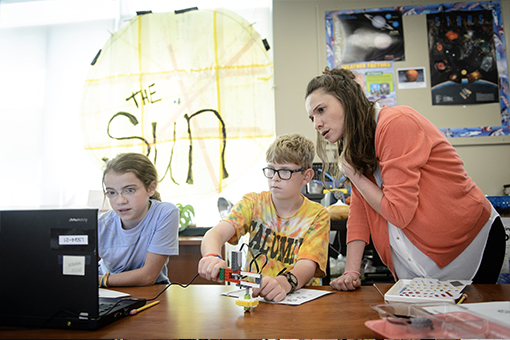
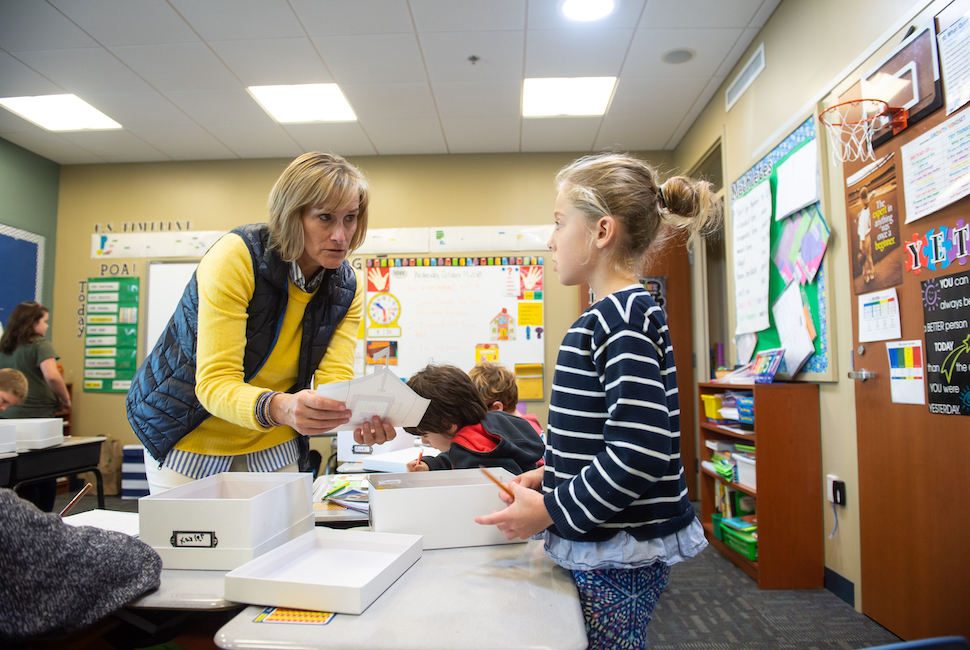
A unique and innovative “school-within-a-school” model which, by design, meets students with learning differences where they are in their educational journey and provides them with highly individualized and intentional instruction and dynamic learning experiences that allow them to experience success and consistently work toward their true learning potential.
For 35 years, the Hamilton School at Wheeler has served elementary and middle school children with great overall cognitive ability but who struggle with reading, organization, and study skills due to dyslexia, attention-deficit disorder (ADHD), executive function deficits, or other learning differences. We believe — and prove daily — that our students can learn essential skills, meet the highest expectations, and experience success.
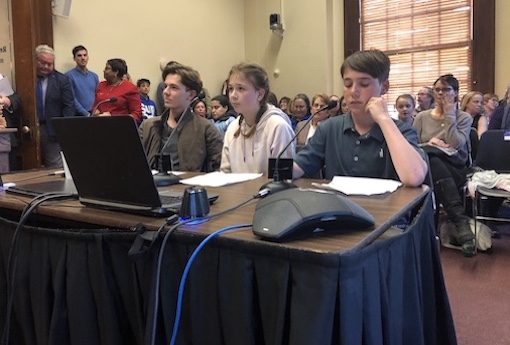
At the Hamilton School at Wheeler, we provide consistent opportunities for our students to embrace their learning differences and develop effective self-advocacy skills. We intentionally use specific terms such as “dyslexia” and “attention variability” as a way for our students to name their learning differences and explain why certain strategies and accommodations are necessary to support their learning. Our Hamilton School students develop their voices to advocate for what they need to experience success.
For more information about the Hamilton School at Wheeler, please contact our Enrollment Office. Numerous resources, events, and information about learning differences can also be found at our Hamilton Institute for Outreach and Advocacy.
Our Voices
Look into the Hamilton School
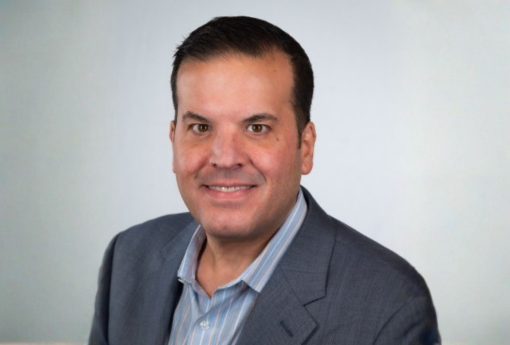
The Hamilton School at Wheeler Administration
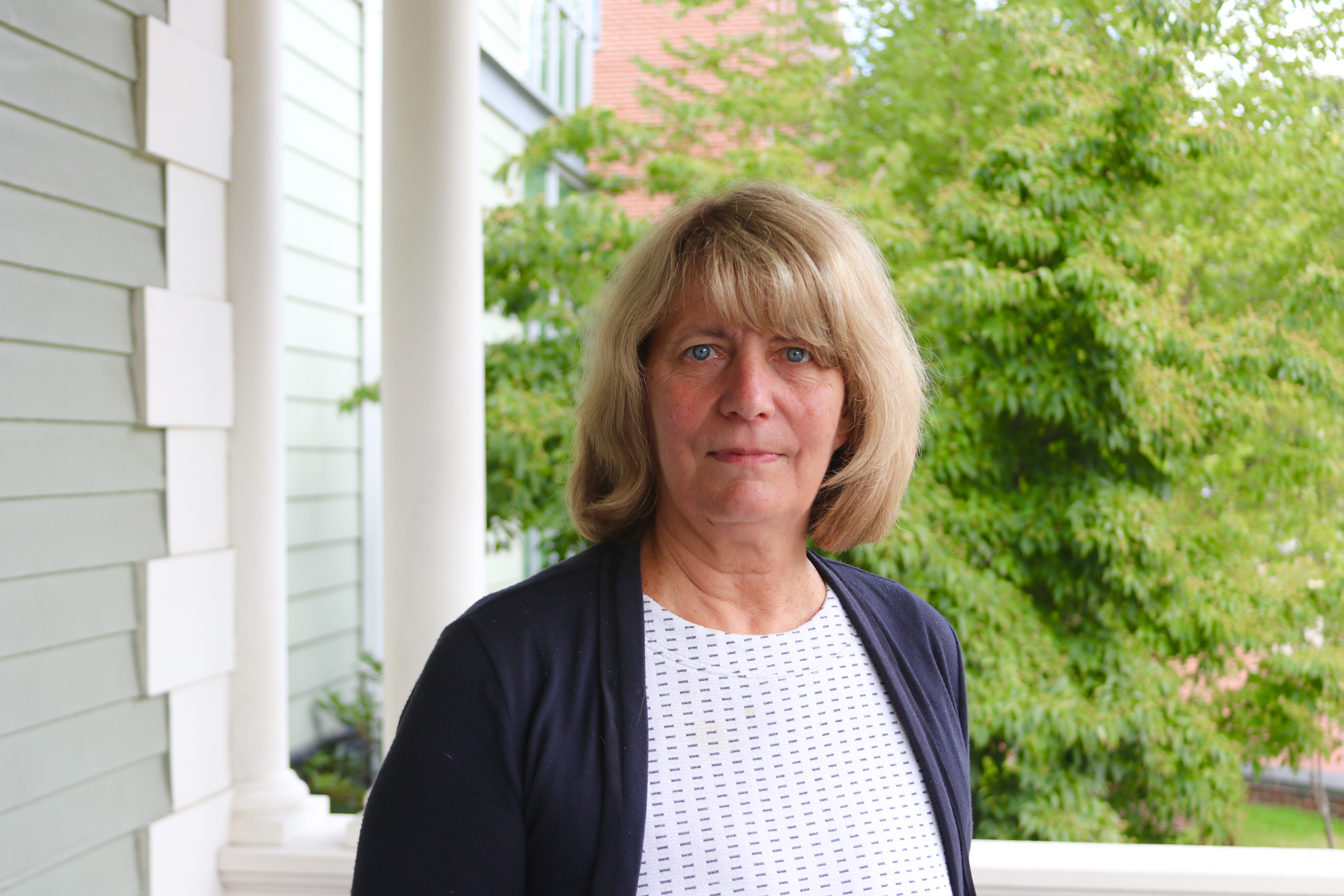
Jeanette Epstein
Director of The Hamilton Institute for Outreach & Advocacy; Hamilton School Enrollment Director
See Our Stories

Seventh-graders recently spent the day at Colt State Park for their Middle School retreat, taking part in activities focused on teamwork, community, and belonging. Middle School Counselor and Wellness Educator Claude Michelle Oliveira captured the day in a video recap, highlighting moments and connections that made the retreat special. ✨
Throughout the day, students worked together to solve challenges, shared their ideas, and explored the importance of listening to and respecting different perspectives. The activities encouraged communication, leadership, and an understanding of what it means to be part of an inclusive community where everyone feels valued, heard, and connected. Students also had time for personal reflection, writing letters to themselves about their experiences as 7th-graders and placing them in their class time capsule to be opened in 8th grade. 💌
“Watching the students connect, laugh, and enjoy themselves was a highlight for me,” said Ms. Oliveira. “The ‘Cross the Line’ activity was especially meaningful because it helped students see how many experiences and feelings they share. It was a great opportunity to build empathy and remind them that they’re not alone. I love how these shared experiences support our students’ health and well-being by giving them opportunities to move, connect, and feel a sense of belonging. There were so many moments of joy and teamwork, and I wanted to capture a little of bit of that for our school community.”
Oct 16


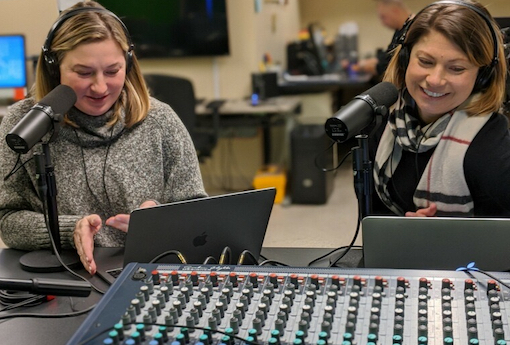
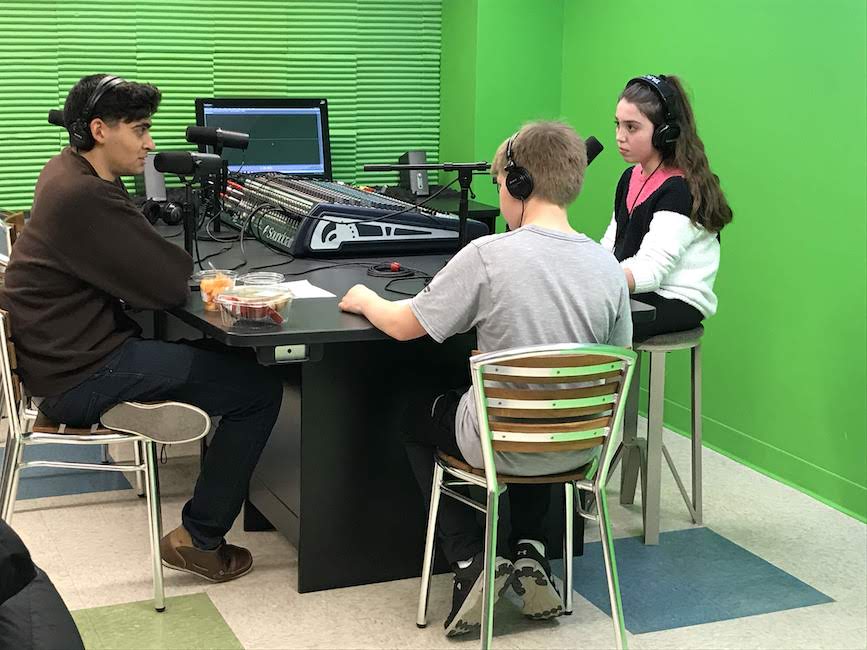
We can’t wait to welcome prospective K-12 families to Saturday’s Open House! Student ambassadors Lily B. ’27, Elle D. ’28, and Shep H. ’27 will be there, as will Danielle Fluehr and Sindy Gomez from our Enrollment team…and they’re also our special guests on the latest episode of the “This Week at Wheeler Podcast!”
We talk with them about Open House, and about what makes Wheeler such a great school, from the strong community (Shep) to the expansive opportunities and caring teachers (Elle), to the inclusive athletics and warm environment (Lily).
As Ms. Gomez said on the show, “At Open House, you’ll be able to see all the great work that happens here. Open House is about more than opening the doors [to Wheeler], it’s a celebration of who we are.” 🎉 💜 💛
We’re excited to open the doors for you tomorrow from 9am to 12pm on our Providence campus. If you haven’t registered yet, it’s not too late – just head to wheelerschool.org/events for more information and to sign up.
In the meantime, listen to the podcast at bit.ly/Wheeler-Open-House. Our conversation with Lily, Elle, Shep, Ms. Fluehr, and Ms. Gomez begins at the 9:11 mark.
Oct 16

🍂 Yesterday’s beautiful fall weather made for a great outdoor rehearsal 🎶! The Upper School Performance Jazz class joined Jazz Teacher Francisco Cardoso on the playground to practice a new song they composed together, guided by the theme of “Belonging.”
Watch until the end to hear Autumn A. ’27, Jyvon P. ’28, and Sophie D. ’28 talk about the process. 📝
Oct 15

We’re excited to introduce a new series, featuring students talking with Wheeler faculty and staff who have made a powerful and positive difference in their lives. ✨
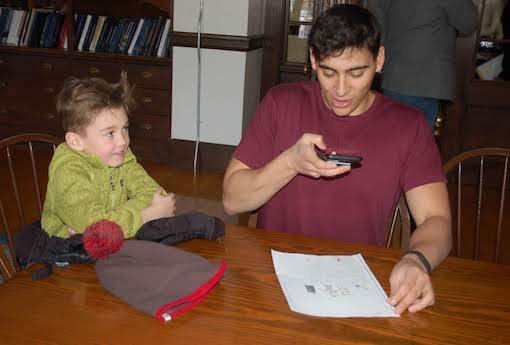
For our first conversation, student reporter Cece S. ’30 sits down with Middle School Math Teacher Linda Leonard P’18.
“Ms. Leonard was a teacher who truly changed the way I looked at math,” says Cece, a 9th-grader who has been at Wheeler since nursery. “Having her for two years allowed us to build a strong connection and develop a relationship beyond just teacher and student. When this project came up, I immediately knew Ms. Leonard was the teacher I wanted to interview! I wanted to highlight the impact she had on me while also giving her the opportunity to share her own perspective.” 💭
Oct 15
