From Accra to Cape Coast: Highlights From Wheeler’s First Global Experience Trip to Ghana
April 9, 2026
By Daily Content Specialist Olivia Rodrigues P’31
Imagine a group of high schoolers who have only encountered the continent of Africa through history books, family stories, headlines, and social media — a mix of narratives that can feel distant, incomplete, or shaped by someone else’s lens. Now imagine those same students stepping onto Ghanaian soil for the first time, spending seven days immersed in its history, culture, and community, and discovering a reality far more complex, vibrant, and human than anything they had been taught.
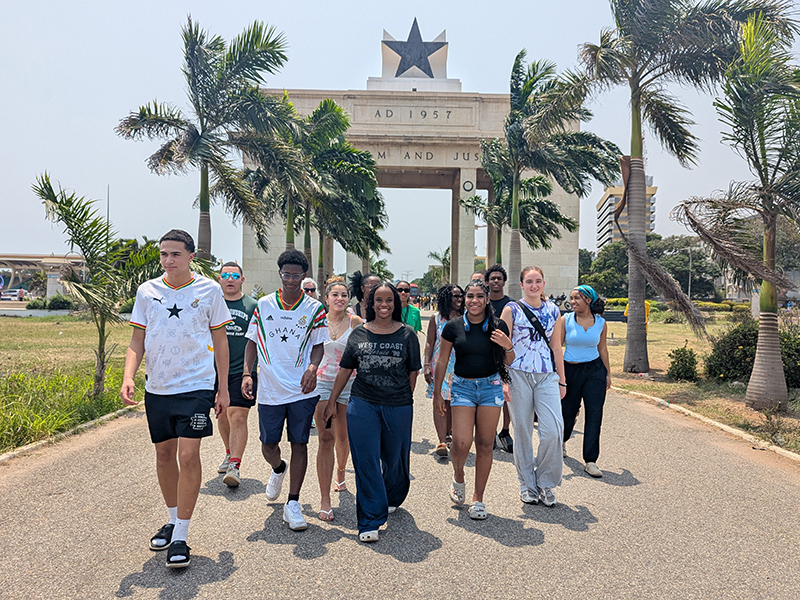
That was the experience of Wheeler Upper Schoolers who joined the school’s first-ever global learning trip to Ghana. I was fortunate to be there with them as a chaperone and got to witness how the journey reshaped the students’ understanding of the world and, in many meaningful ways, themselves.
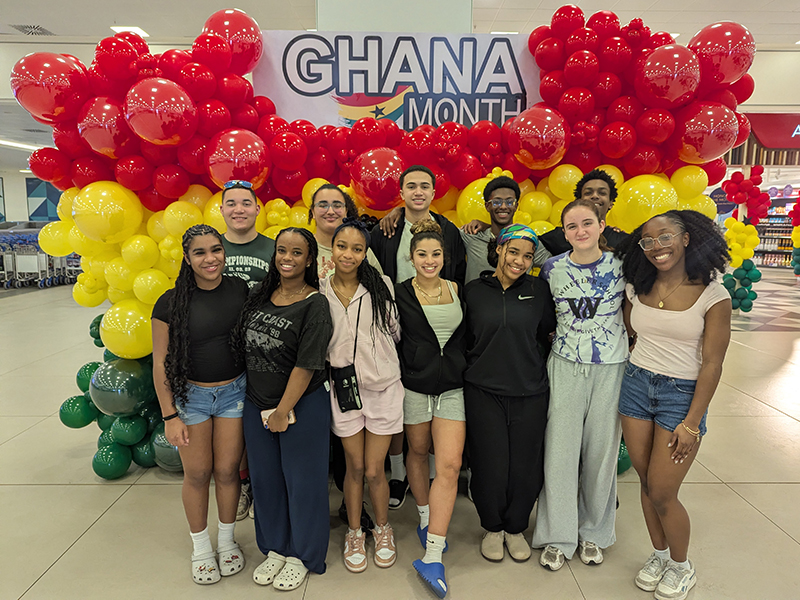
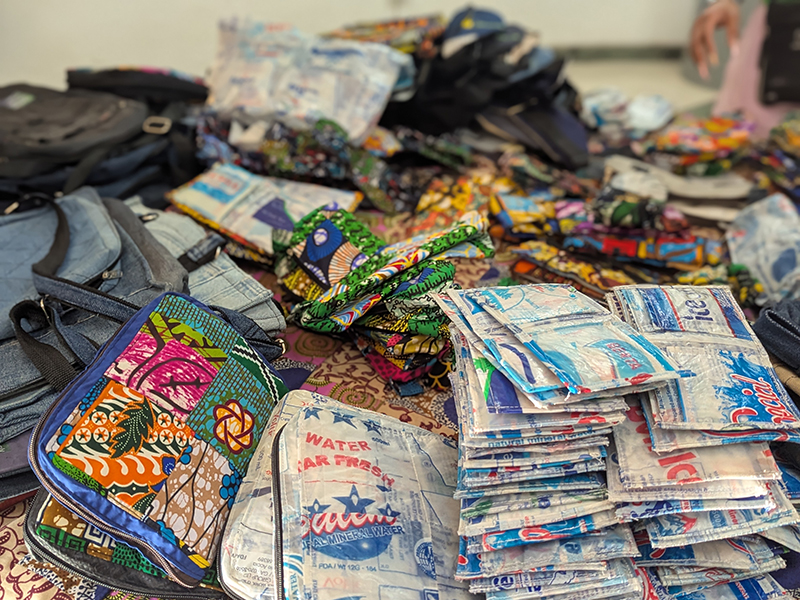
Organized by Wheeler’s Global Experiences Program in partnership with EF Educational Tours, we began in Accra, exploring sites that brought Ghana’s stories to life. At the Osagyefo Dr. Kwame Nkrumah Museum, we learned about Ghana’s first president, a pivotal Pan-African leader who guided the country to independence in 1957. We then visited the Centre for National Culture, where we immersed ourselves in the artistry of intricate textiles, sculptures, and traditional crafts, followed by a reflective stop at Independence Square (Black Star Square) and a visit to Trashy Bags Africa, a social enterprise transforming plastic waste into eco-friendly products.
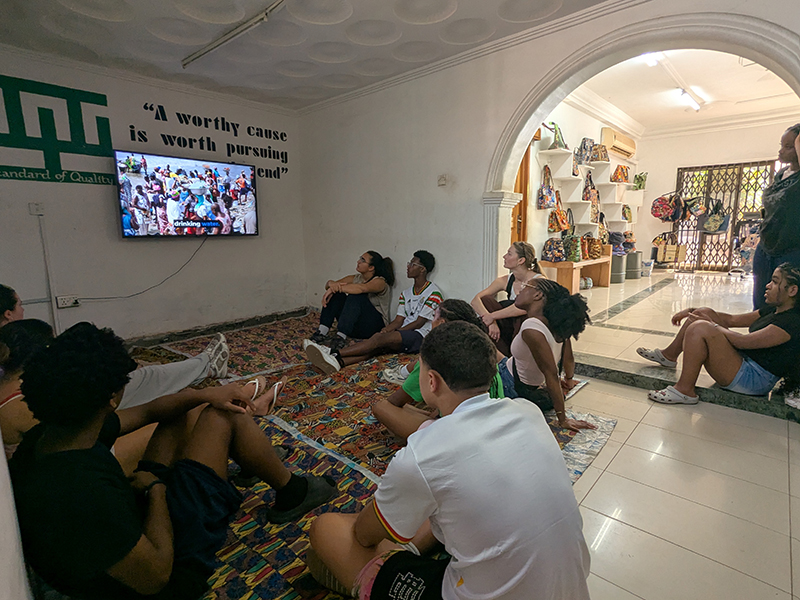
Along the way, our group connected with Dream Volunteers, a nonprofit empowering young people to address challenges in communities around the world. It was a firsthand look at how Ghanaian culture and community thrive in both past and present.
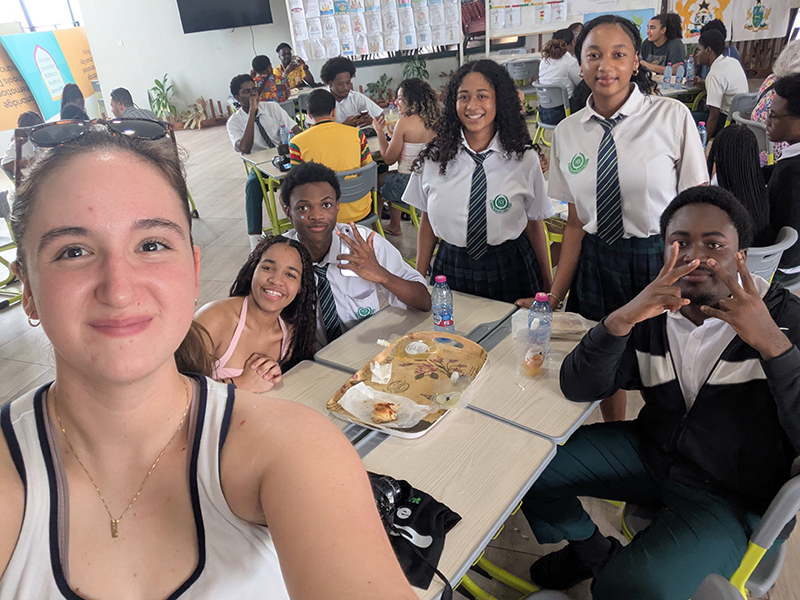
The warmth of Ghanaian hospitality became even more tangible at the International Community School (ICS), where students learned the greeting “Akwaaba,” toured classrooms, and met with faculty and co-founder Dr. Charles Yeboah. “It was so cool to meet Ghanaian students and get a glimpse of what a school day is like for them,” shared Autumn A. ’27. “What really stuck with me is how similar the kids were to us.” The visit reminded us that connection and curiosity can transcend borders, even in a single trip.
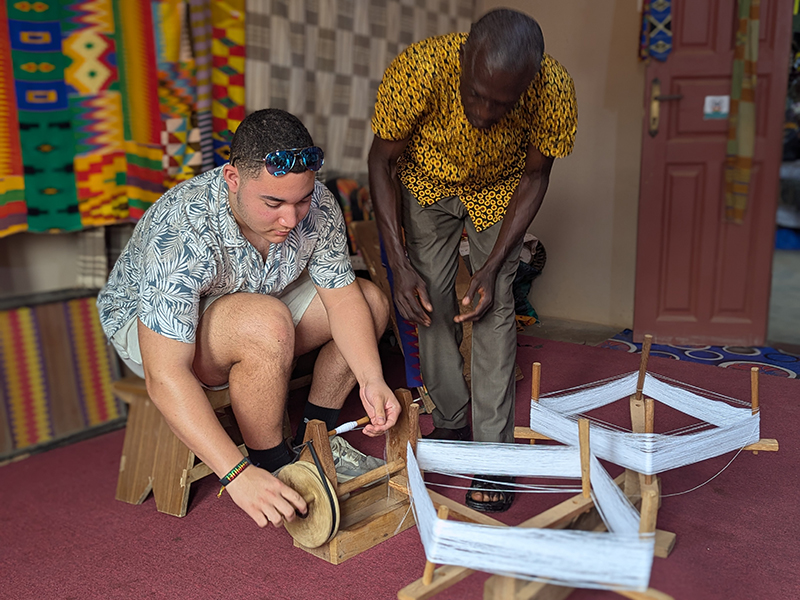
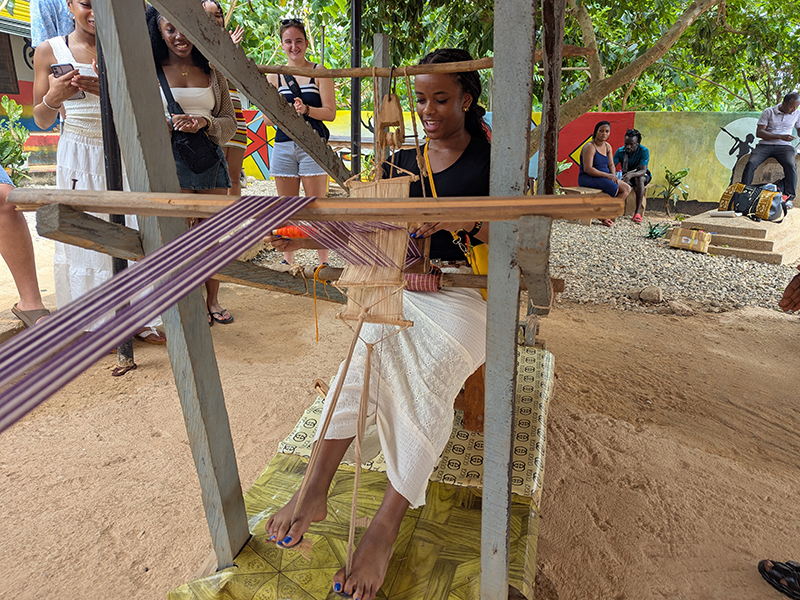
The next day, traveling north to Kumasi, we explored Ashanti craft villages: Adanwomase, the birthplace of Kente weaving, and Ntonso, home of Adinkra cloth. We observed natural ink-making and stamped symbols meaningful to us — a tactile link to traditions passed down through generations. The depth and intentionality of Ghanaian artistry were striking. As someone who writes stories and is compelled and driven by authentic visual storytelling, my senses were completely heightened throughout the trip. We saw artisans effortlessly weave intricate fabric using a centuries-old, highly complex method. Growing up in the Ivory Coast, I read about the art of weaving as part of West African traditions in history books, but to see the process up close made it all feel alive.
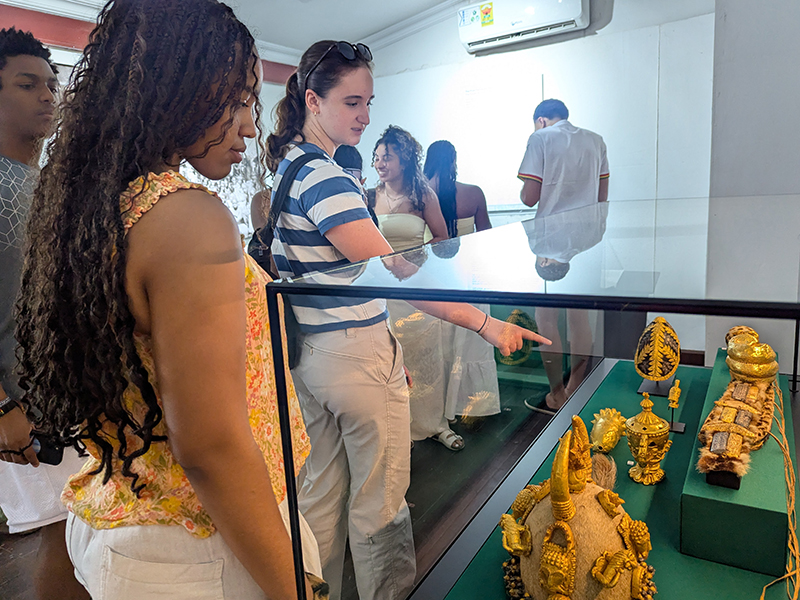
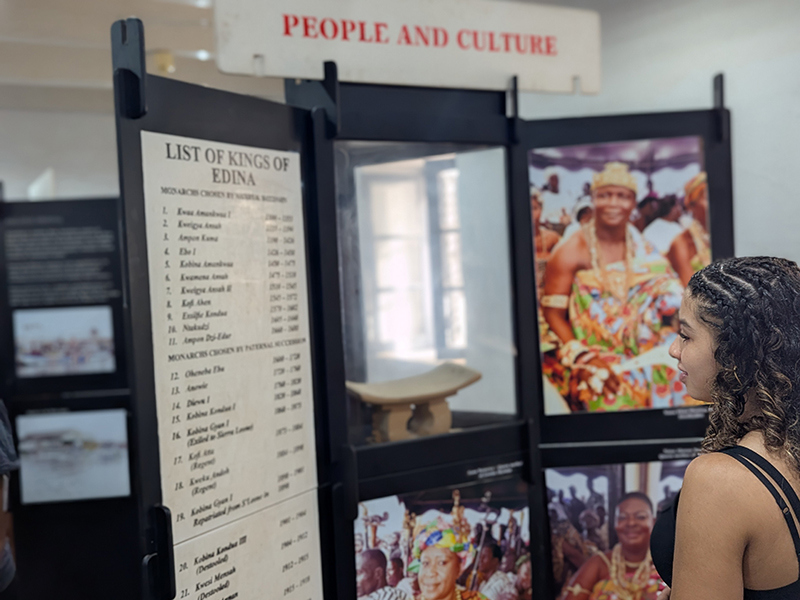
Our group’s cultural exploration continued with a visit to the Manhyia Palace Museum, home to the Asante kings and a repository of Ashanti history, leadership, and tradition. “The trip to the Manhyia Palace Museum and to Ghana as a whole — and in particular to Africa — was an intentional and personal decision,” shared Director of Equity, Community, and Belonging Princess Bomba P’16, P’18. “The experience was designed to provide an in-person connection to the cultural richness of the Asante Kingdom with an emphasis on the incredible accomplishments of the Asante people prior to the Europeans’ arrival on the shores of West Africa. At the Manhyia Palace, students experienced a sense of pride in the achievements in art, science, architecture, and leadership that have existed in Ghana for centuries.”
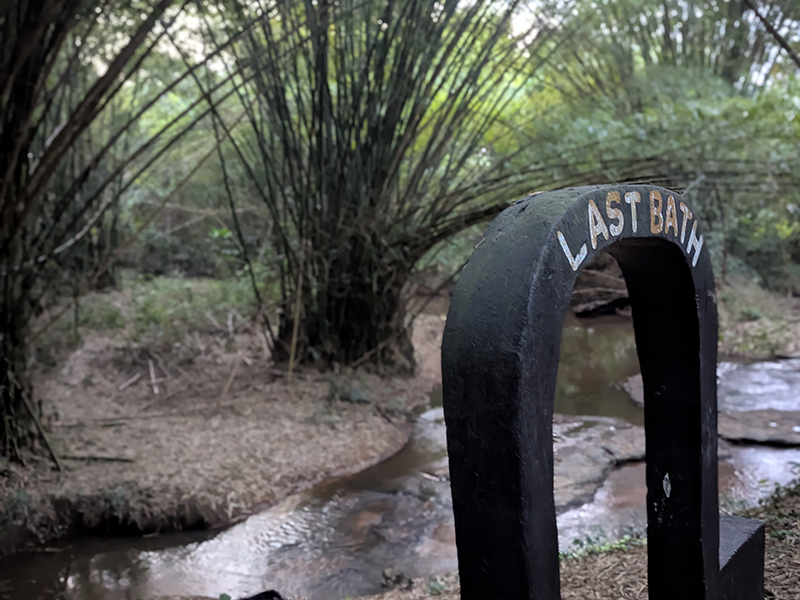
From Kumasi, our group journeyed to Cape Coast, shifting from centuries-old craft traditions to some of Ghana’s most profound historical sites. We visited the ancestral river, where enslaved Africans took their last bath, and toured Cape Coast Castle and Elmina Castle. These visits were sobering reminders of the resilience of enslaved people and the human legacy of the transatlantic slave trade. Many students described these moments as moving, emotional, and enlightening.
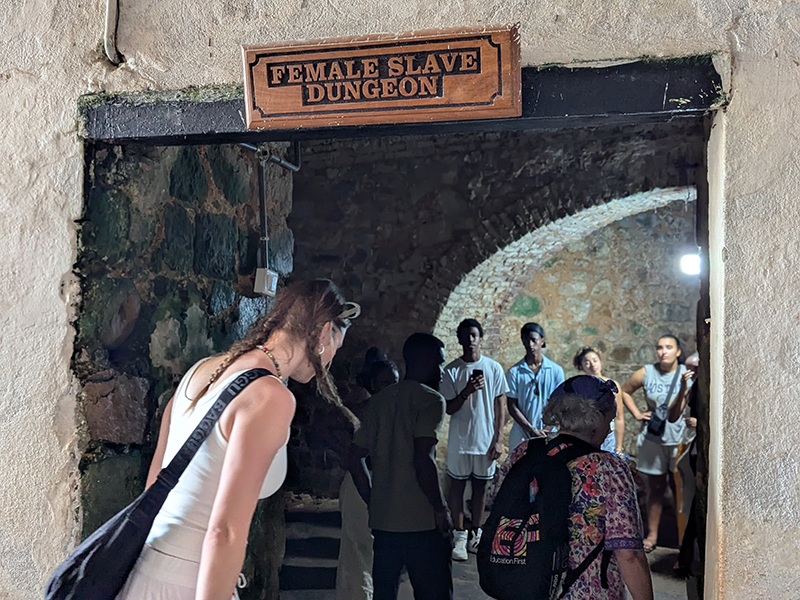
“Oftentimes when learning about the slave trade and slavery, the material doesn’t seem to focus on what happened to enslaved people from the time they were captured to the time they were sold and forced onto ships,” noted Nathasha D. ’28. “That is a part of history that should also be taught.”
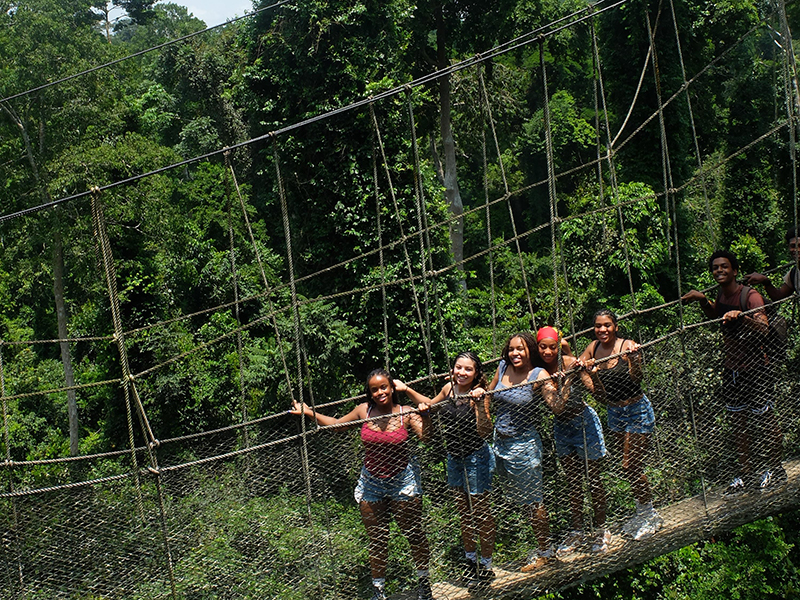
The natural world also left its own imprint on our group at Kakum National Park. Traversing the suspended canopy walk, we marveled at towering trees, dense foliage, and the sounds of the rainforest while learning from our guide about the forest’s ecological and cultural significance. Experiencing Ghana’s rainforest firsthand provided a different type of connection — a reminder that understanding a country also means seeing how its land and environment sustain its people and traditions.
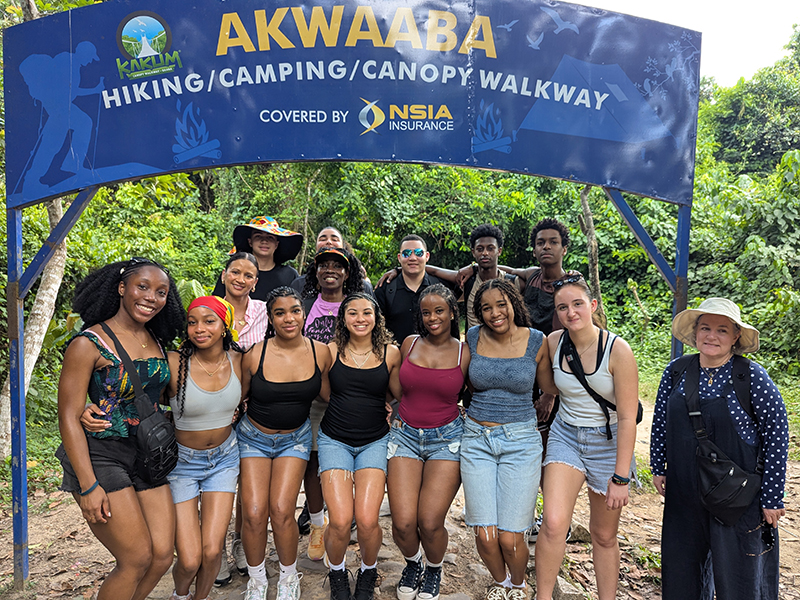
Throughout our travels, we engaged with contemporary Ghanaian communities through women-led social enterprises like Global Mamas, participating in a batik workshop to create handmade textiles while learning about sustainable livelihoods and the impact of community-driven work. Returning to Accra, we toured the W. E. B. Du Bois Centre for Pan African Culture, celebrating the legacy of a visionary leader whose lifelong work advanced racial equality, scholarship, and Pan-African unity.
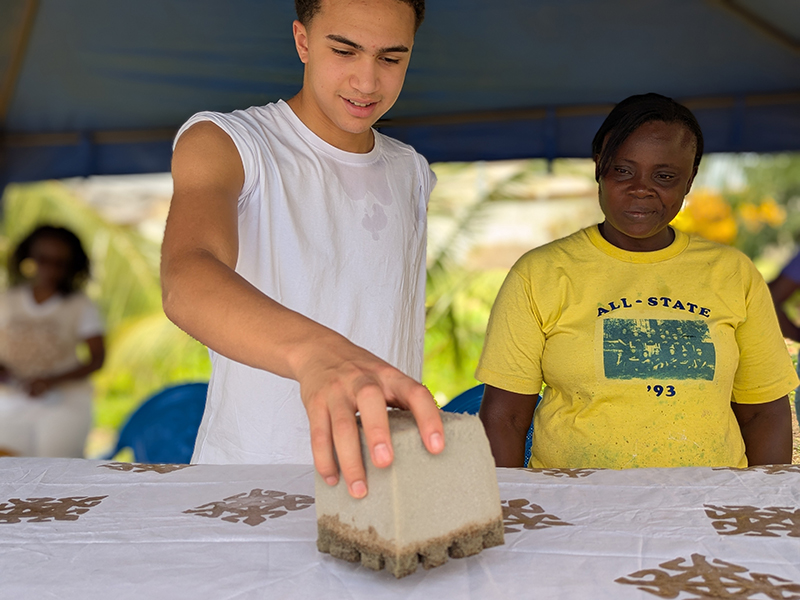

For many students, the trip began as a way to deepen their understanding of the transatlantic slave trade, African liberation movements, and Ghanaian culture. For others — particularly those of African descent — it held a more personal meaning: a homecoming, a chance to reconnect with ancestral roots and rewrite narratives shaped by distance. “Growing up, I always felt like being African-American wasn’t enough,” said Autumn. “Ghana made me feel more proud of my ethnicity and where I come from.”
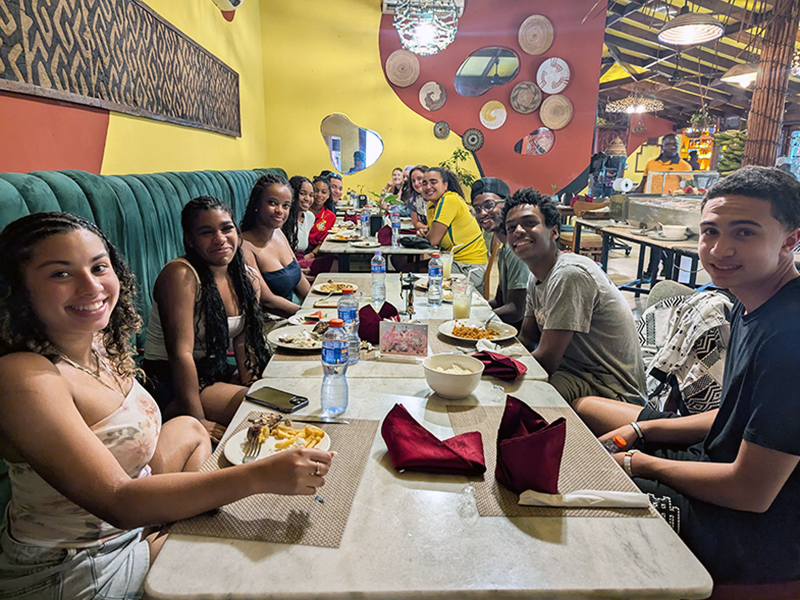
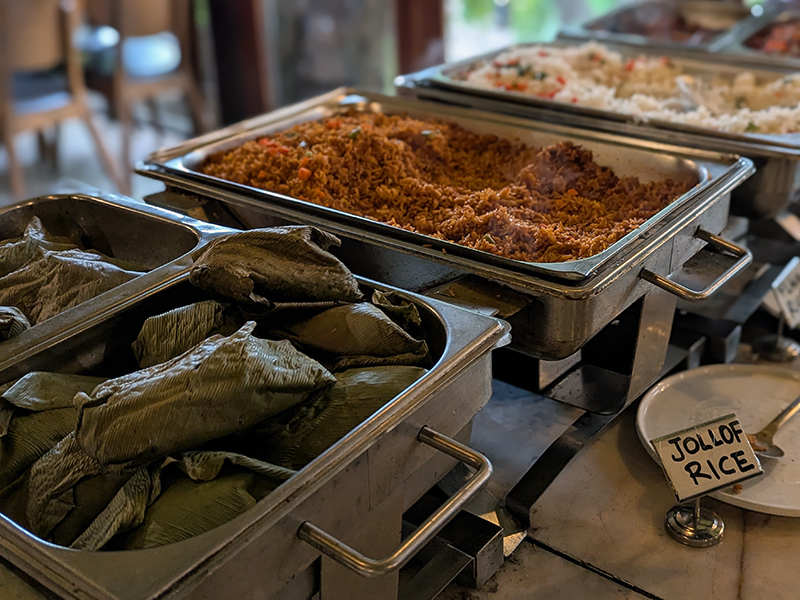
Along the way, the experience also offered moments that naturally challenged students’ assumptions and perceptions about Ghana and Africa. Isabella T. ’27 reflected on her initial expectation that locals might be wary of tourists — a belief challenged by the group’s first interactions, beginning with EF Tour Director Frank Aboagye, our guide on the ground. “Everyone we interacted with was welcoming and happy for us to experience their country and culture,” Isabella said.
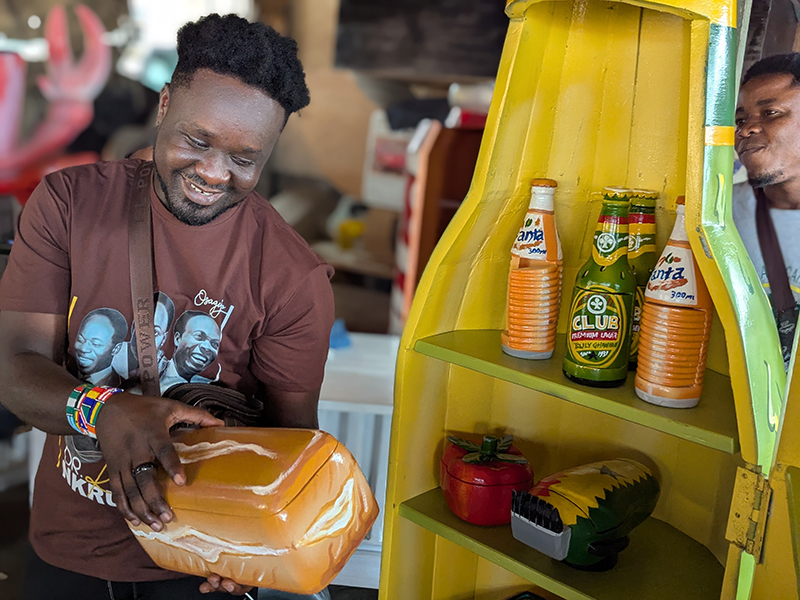
Another Upper Schooler, Sajhara R. ’27, noticed that she felt more aware and open-minded after traveling to Ghana. “Being in a different environment pushed me out of my comfort zone and made me realize how much perspective matters. Ghana seemed far more advanced than I had anticipated. The trip has made me more appreciative of different cultures and ways of life.”
Sajhara’s reflection echoed the experiences of the entire group. From weaving and symbolism to social enterprise, from history and heritage to community, the week in Ghana offered Wheeler students lessons that reached far beyond the classroom — lessons in resilience, unity, self-discovery, hospitality, creativity, curiosity, and the power of connection across continents.