Exploring Architecture, Imagination, and Learning at Wheeler with Architects Dan Wood ’85 and Amale Andraos
March 26, 2026
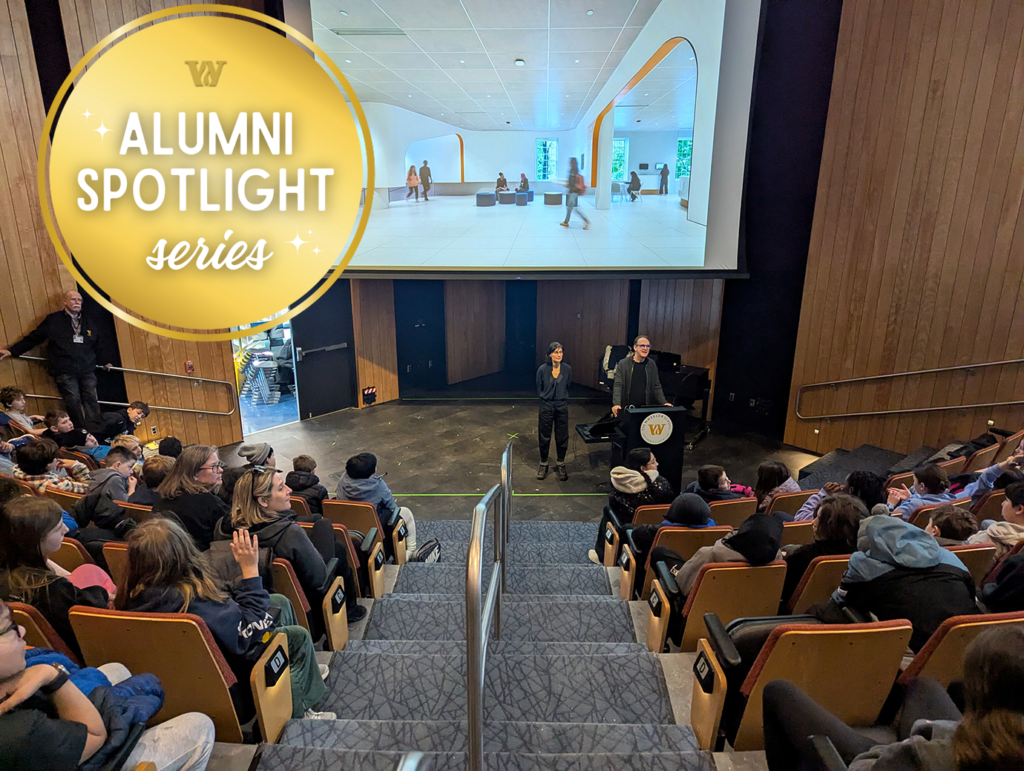
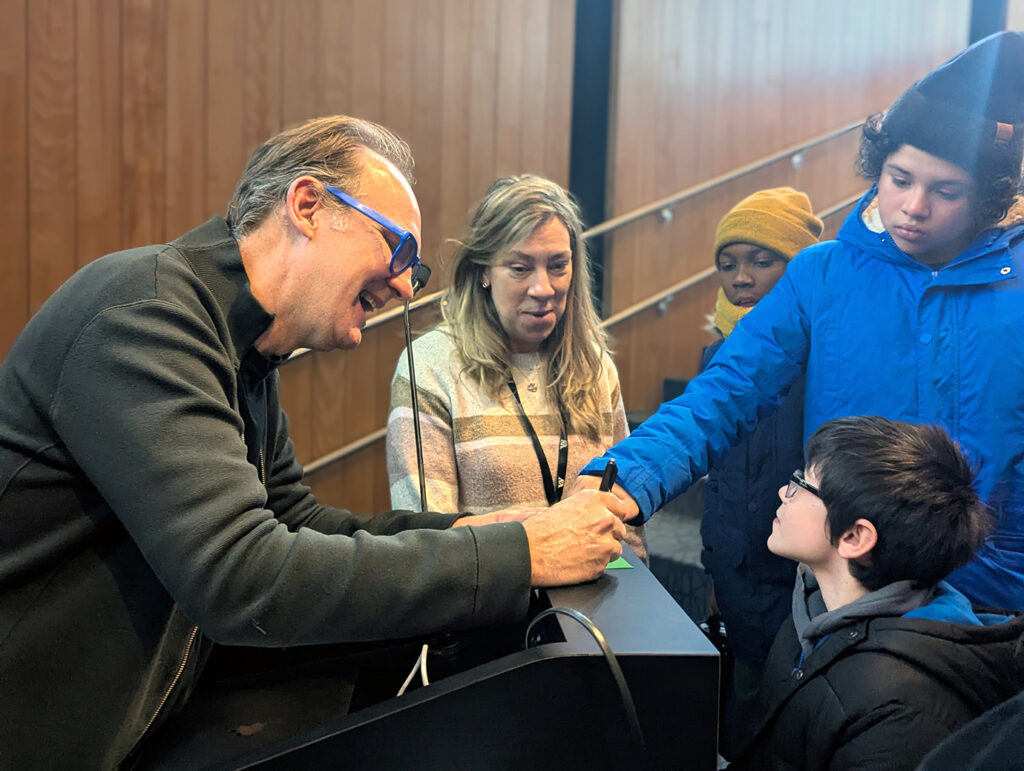
Can you guess the first question 4th- and 5th-graders posed to guest speaker and architect Dan Wood ’85 during his recent visit to our Providence campus? It had less to do with the Angell Building’s design and more to do with his Wheeler spirit.
“What color are you?” a Lower Schooler asked. Mr. Wood replied with a smile, “Gold,” prompting loud cheers from Team Gold in the audience.
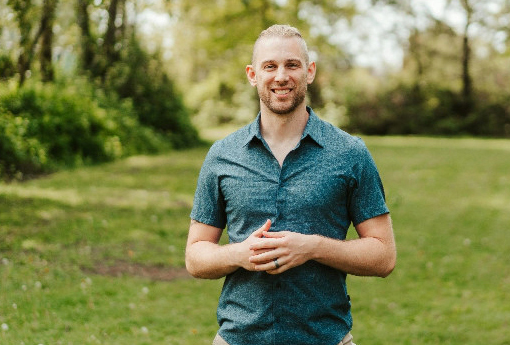
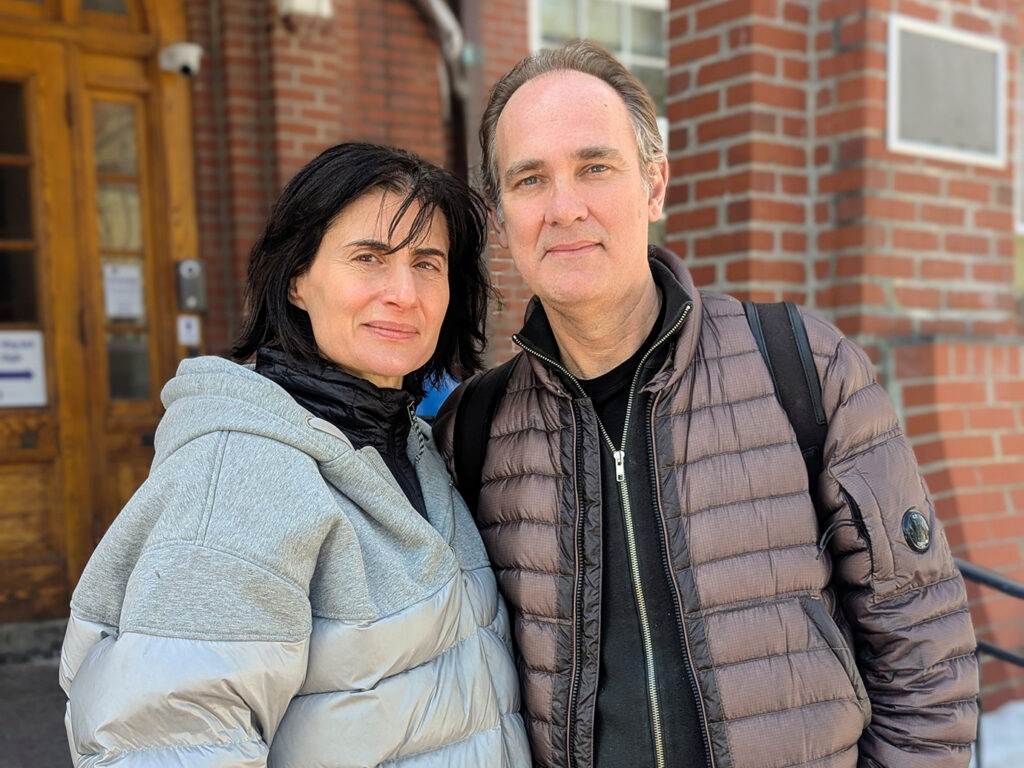
It’s a fitting spirit color for Mr. Wood who, along with his spouse, Amale Andraos, is the co-founder of WORKac, a New York-based architecture and urban design firm that is the gold standard when it comes to addressing environmental and social challenges through innovative design solutions. The firm received the 2023 Arts and Letters Award in Architecture, was named the #1 design firm in the United States by Architect Magazine, and was selected as the AIA New York State “Firm of the Year.” Mr. Wood and Ms. Andraos met while working at Rem Koolhaas’s Office for Metropolitan Architecture (OMA) in Rotterdam, before they decided to launch their own firm.
In addition to being renowned architects, the firm’s partners are also talented educators. Ms. Andraos is a professor and dean emeritus of Columbia University’s Graduate School of Architecture, Planning and Preservation (GSAPP), and the first woman to have become dean of the school. Mr. Wood has taught extensively, most recently as an adjunct associate at GSAPP and at the Yale School of Architecture.
During their campus visit last month, Mr. Wood and Ms. Andraos got to talk about their multifaceted careers with both Lower and Upper Schoolers. During their presentation to the 4th and 5th-graders, they discussed their creative process — which includes extensive research , imagining ideas, and then communicating them through models, drawings, and diagrams — and how concepts eventually become real buildings.
As they shared examples of projects far and wide, each story reflected their commitment to understanding culture, tradition, art, science, and community engagement. Their work ranges from designing an immersive, sustainable, and accessible library in North Boulder, Colorado, to creating a Miami Vice-inspired public experience on the exterior of a parking garage in – you guessed it – Miami. They also designed two PILARES community centers in Mexico City, sited in areas experiencing high levels of vulnerability and poverty, that have since blossomed with wellness and educational programming.
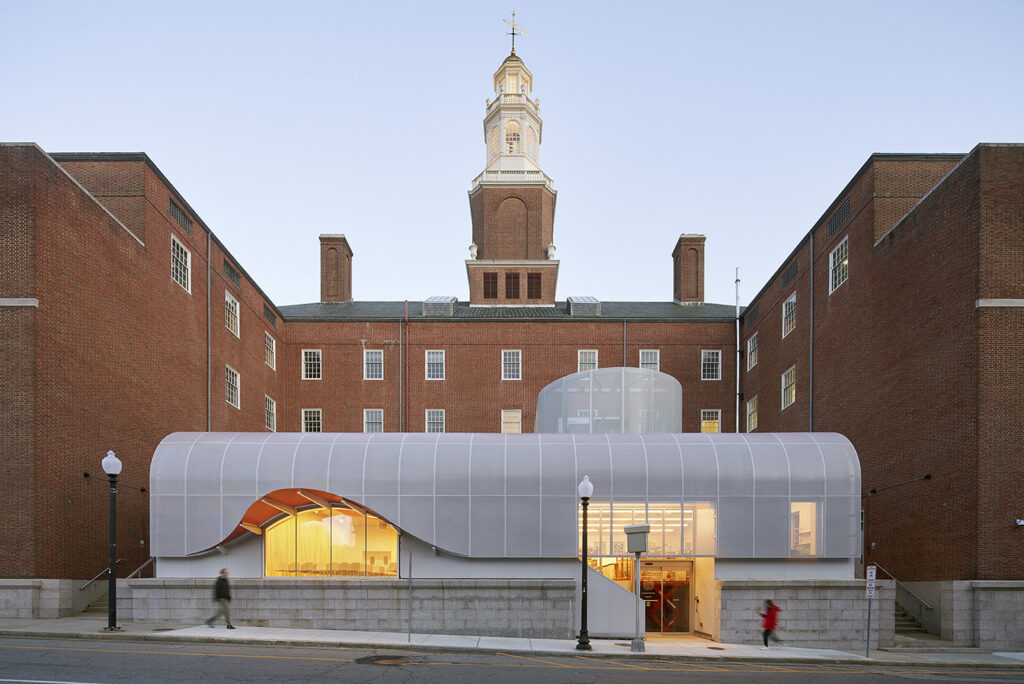
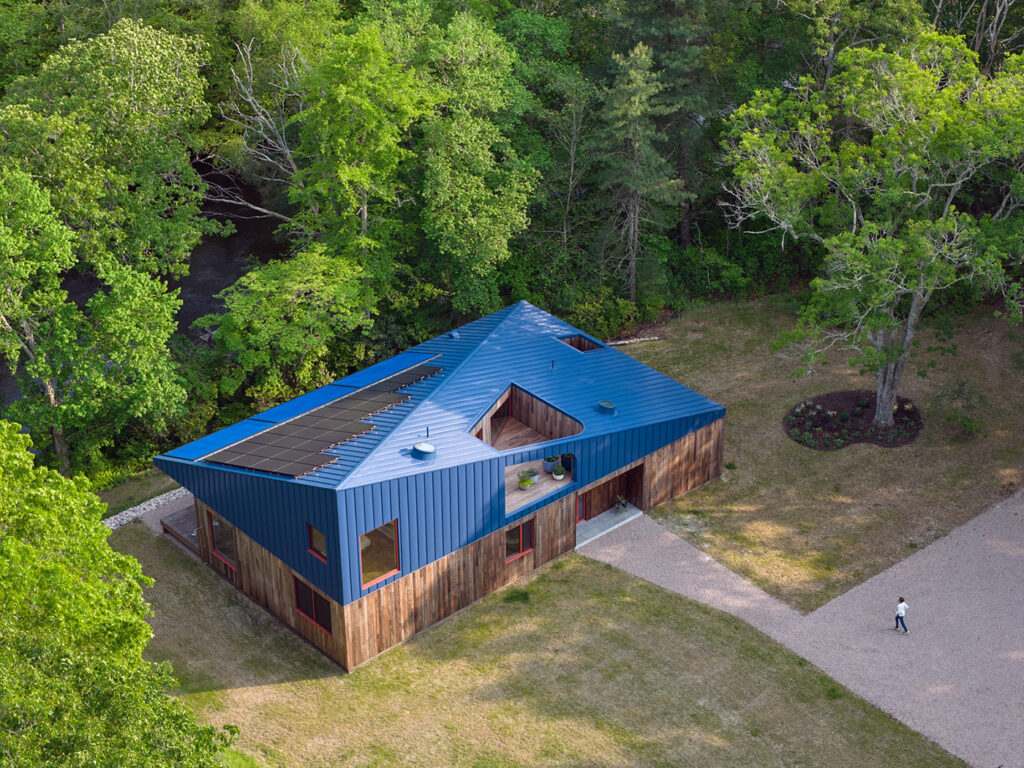
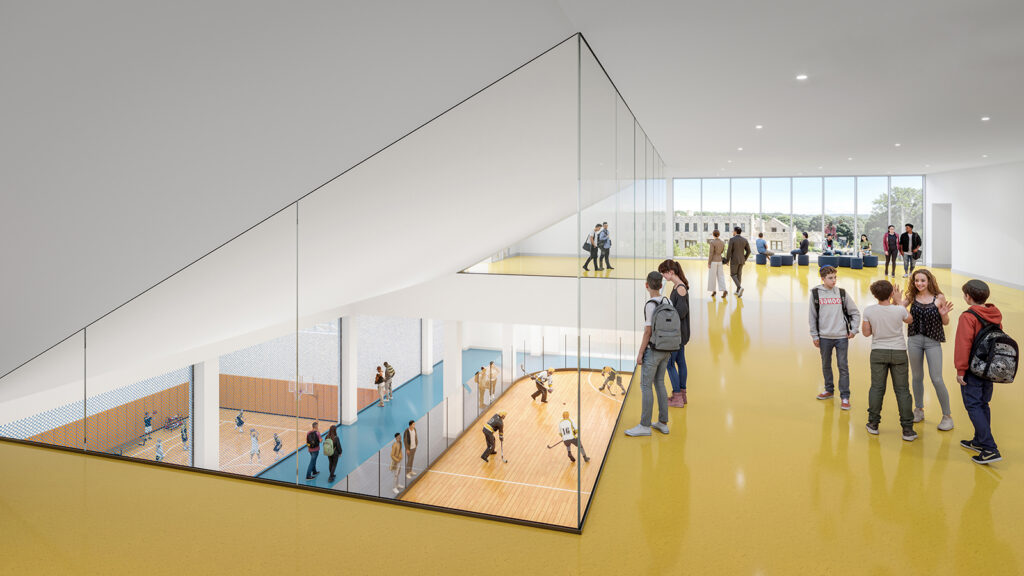
More locally, right here in Rhode Island, they designed and built The River House, which is their own “passive” family home focused on reducing energy use, as well as the new ProvWash student hub at the Rhode Island School of Design.
As they talked about these projects at Wheeler, the Lower Schoolers were curious about the relationship between mathematics and architecture, and whether it was important to be good at sketching, among other questions.
During another conversation later in the day with Upper School students, the discussion shifted to the architects’ individual journeys into the field, and the inspiration behind their shared firm.
“My dad would say to me, ‘You’re good at drawing. You like math. You should be an architect,’” Mr. Wood shared. “When I was in high school, he took me to visit his friend Bill Warner, the engineer who had the idea to uncover the river in downtown Providence. I was really into drawing at the time, but when I saw what they were doing, I thought, ‘These people are drawing with rulers. That’s boring!’” Mr. Wood went on to receive an undergraduate degree in film theory before finally seeing the beauty in those ruler-assisted drawings and choosing to pursue architecture in graduate school.
Ms. Andraos, whose father was both an architect and a painter, said she grew up in a creative atmosphere, “but for a long time I didn’t want to be an architect, mostly because my father was one. I actually started out studying economics, but after a year, I realized that architecture was really what I wanted to be doing.”
While her background was different from Mr. Wood’s, she noted that, in some ways, their paths were strikingly similar. “Neither of us really wanted to do it at the beginning,” she said, emphasizing that there are many ways to enter the field. “Students take it in different directions, and when they graduate, there are countless ways to practice; some work in traditional offices, others focus on community-based advocacy, and some move into writing or research. Architectural education has become a bit like law in that way — it gives you a strong foundation, and then you shape it around the kind of work you’re most interested in pursuing.”
Speaking of strong foundations, Mr. Wood said that one of the great things about being a student at Wheeler was that the school exposed him to many different areas of interest. “There can be pressure to do well in every subject, but you also get to explore a lot of different worlds, and that helps you develop curiosity about the world around you,” he reflected. “I think it’s important to hold onto that curiosity, especially during your teenage years and into your early twenties, when you’re still discovering what interests you. Being open to new experiences — and not pigeonholing yourself into just one path — really matters during that time.”
Mr. Wood said that some of the Wheeler faculty who helped him make the most of that time were Art Teachers Sue Carroll and Narciso “Pepe” Maisterra; Math Teacher Edmund “Army” Armstrong; Science Teacher Rob “Otter” Brown; and Aerie Enrichment Director Mark Harris P’08, P’24.
Mr. Wood and Ms. Andraos said they wanted to highlight that same sense of curiosity – and in particular their more playful projects – during their conversation with the Wheeler Lower School students. “We really believe that creativity can be found in any project, and architecture shouldn’t feel scary or overly technical,” said Ms. Andraos. “We try to approach our work in a way that’s accessible, with a sense of pleasure and play — because that’s an important part of architecture for us.”
She also acknowledged the pressures young people face today as they imagine their future careers. “It’s an understatement to say we’re living in difficult times, and the pressure students feel as they graduate and transition into this field is huge. I see it with my own students at Columbia — you can become paralyzed by the scale of the challenges and wonder where to even begin.
“Our small contribution is to try to be willfully optimistic,” she continued. “If you care about the world, you have to start somewhere. The key is starting small, in whatever ways you can, and not letting the size of the issues stop you from trying to make a contribution.”
“The other thing about architecture,” Mr. Wood added, “is that we’re generalists. That’s why we have to do research at the beginning of every project, because we don’t necessarily know about, for example, catering, or gardening, or whatever is specific about the community we’re designing for.”
For Mr. Wood, that “constant learning” is part of what he loves most about being an architect. “Technologies change, the types of projects change, clients change, and even the kinds of buildings we design evolve. So when we’re doing research, we’re truly learning and discovering new things,” he explained. “That’s what makes it fun — you get to keep learning, almost like you get to stay in school.”